
Blog
Indian Traditional Jewellery and Its Significance: 10 Beautiful Traditions, Myths & Facts


Indian jewellery is much more than an accessory. It represents heritage, family traditions, cultural identity, personal milestones, and memories passed down through generations. From a bride’s mangalsutra to the gentle sound of silver anklets, every ornament can carry a story that connects the past with the present.
Across India, jewellery traditions vary by region, community, and occasion. Gold necklaces are treasured as family heirlooms, bangles are exchanged during celebrations, and rings mark some of life’s most meaningful commitments. Today, these traditions continue to evolve as women embrace designs that reflect both their cultural roots and individual style.
Understanding Indian traditional jewellery and its significance helps us appreciate why certain ornaments remain important even as fashion changes. At Rossia Jewels, we believe jewellery should celebrate not only beauty and craftsmanship but also the people, relationships, and stories behind every piece.
Whether you are choosing bridal jewellery, purchasing a meaningful gift, or designing a personalised diamond ring, understanding the heritage behind these ornaments can make your choice even more special.
Why Does Jewellery Hold Such an Important Place in Indian Society?
Jewellery has played an important role in Indian social and cultural life for centuries. It is worn during weddings, festivals, religious ceremonies, family celebrations, and personal milestones. In many families, ornaments are also passed from one generation to another, becoming treasured reminders of loved ones and shared memories.
Indian traditional jewellery, including gold and silver jewellery, has represented wealth and financial security. For many families, gold jewellery also serves as a form of savings, although its resale value depends on factors such as purity, market prices, and applicable deductions.
However, the value of jewellery extends beyond the material. A necklace inherited from a grandmother or a pair of earrings gifted on a wedding anniversary can hold emotional significance that cannot be measured by weight or price.
The meaning of jewellery differs across communities and individuals. Some people prefer traditional designs that honour family customs, while others choose contemporary pieces that reflect their personality.
This is what makes Indian jewellery distinctive: it brings together craftsmanship, cultural heritage, personal expression, and enduring emotional value.
What Does Different Indian Jewellery Symbolise?
The following table provides a quick overview of ten popular Indian jewellery pieces, their traditional associations, and the occasions on which they are commonly worn.
|
Jewellery piece |
Traditional significance |
Common occasions |
|
Maang tikka |
Auspiciousness and bridal adornment |
Weddings and festive occasions |
|
Nath (nose ring) |
Cultural identity and bridal tradition |
Weddings and celebrations |
|
Mangalsutra |
Marriage and commitment |
Wedding ceremonies and everyday wear |
|
Bangles |
Celebration, prosperity, and regional customs |
Weddings and festivals |
|
Necklace |
Heritage, adornment, and personal expression |
Weddings, gifting, and celebrations |
|
Toe rings |
Married-life traditions in some communities |
Weddings and everyday wear |
|
Rings |
Love, commitment, and personal milestones |
Engagements, weddings, and anniversaries |
|
Anklets |
Traditional adornment and cultural expression |
Festivals, weddings, and daily wear |
|
Kamarbandh |
Bridal elegance and traditional styling |
Weddings and classical dance |
|
Earrings |
Personal adornment and cultural traditions |
Everyday wear, festivals, and weddings |
Note: These associations vary across regions, religions, families, and individual preferences. They are not universal.
What Are the 10 Most Popular Indian Traditional Jewellery Pieces and Their Meanings?
Let’s explore the history, cultural associations, and modern styling possibilities of these iconic ornaments.
1. What Is the Cultural Significance of a Maang Tikka?
The maang tikka is an ornament worn along the centre parting of the hair, with a decorative pendant resting on the forehead. It is particularly popular in Indian bridal jewellery and festive styling.
In many wedding traditions, the maang tikka symbolises auspiciousness, feminine grace, and the beginning of a new chapter in life. Its designs range from delicate gold pendants to elaborate pieces featuring pearls, polki, kundan, and precious stones.
Modern brides often pair a statement maang tikka with coordinated earrings and a necklace, while simpler designs can complement festive outfits.
Styling tip: Choose a maang tikka that balances your hairstyle, face shape, and other jewellery. If your earrings and necklace are elaborate, a more delicate forehead ornament can create a harmonious look.
2. Why Is the Nath an Important Part of Indian Bridal Jewellery?
The nath, or traditional nose ring, has a strong place in Indian cultural and bridal traditions. Its shape, size, and styling vary across regions, reflecting the diversity of Indian jewellery.
Large Maharashtrian naths, delicate North Indian nose rings, and ornate bridal designs all demonstrate how one ornament can take on different identities across communities.
For many brides, wearing a nath is a way to honour family traditions and celebrate their wedding heritage. Contemporary designs also allow women to incorporate this traditional ornament into festive looks without necessarily following every conventional styling rule.
Although cultural beliefs sometimes associate nose piercing with health benefits, such claims should not be treated as established medical facts.
Styling tip: Consider the occasion, comfort, and whether you prefer a pierced or non-pierced design before selecting a nath.
3. What Does a Mangalsutra Symbolise in Indian Culture?
The mangalsutra is one of the most recognisable symbols of marriage in many Indian communities. Traditionally, it is tied around the bride’s neck by the groom during the wedding ceremony, although customs differ across regions and communities.
Its black beads, gold elements, and pendant designs carry meanings shaped by family traditions and cultural beliefs. For many couples, the mangalsutra represents commitment, companionship, and the beginning of married life.
Today, mangalsutra designs have evolved significantly. Alongside traditional long necklaces, women increasingly choose lightweight chains, diamond pendants, and contemporary styles that can be worn comfortably every day.
This evolution reflects a broader change in Indian jewellery: traditional symbolism can coexist with modern preferences.
Styling tip: If you are buying a mangalsutra as a gift, consider the recipient’s everyday wardrobe, preferred metal colour, pendant style, and comfort.
4. Why Are Earrings Considered Essential in Indian Jewellery?
Earrings are among the most versatile pieces of Indian jewellery. From small gold studs to elaborate jhumkas and chandbalis, they complement traditional attire as well as contemporary outfits.
In many Indian families, ear piercing is a cultural milestone celebrated during a traditional ceremony. Earrings may also be gifted on birthdays, weddings, festivals, and other important occasions.
Gold earrings are valued for their timeless appeal, while diamond earrings add elegance to everyday wear and formal occasions. Modern designs offer an extensive range of options, including hoops, huggies, solitaire studs, and statement drops.
When choosing earrings, it is worth considering more than appearance. Weight, fastening, metal quality, and frequency of wear all contribute to long-term comfort.
Styling tip: Diamond studs are a versatile choice for daily wear, while jhumkas and chandbalis can create a striking look for weddings and celebrations.
5. What Do Bangles and Kadas Represent in Indian Traditions?
Bangles and kadas have a longstanding place in Indian jewellery traditions. Depending on the region and occasion, they may be associated with marriage, prosperity, celebration, and family customs.
Their materials and colours vary widely. Gold bangles remain a popular choice for weddings and long-term family keepsakes, while glass, lac, silver, and contemporary metal designs offer alternatives for different occasions and budgets.
In several communities, the presentation of bangles forms part of wedding rituals or celebrations connected with motherhood and family life. The colours and designs chosen often carry regional significance.
Modern styling has also made it common to mix traditional bangles with minimalist bracelets, watches, and contemporary outfits.
Styling tip: Consider the overall weight and fit when layering bangles. For everyday use, lightweight designs may be more practical than heavily embellished pieces.
6. Why Have Gold and Diamond Necklaces Remained So Popular?
Necklaces are among the most prominent forms of Indian jewellery because they can transform an outfit while carrying personal and cultural meaning.
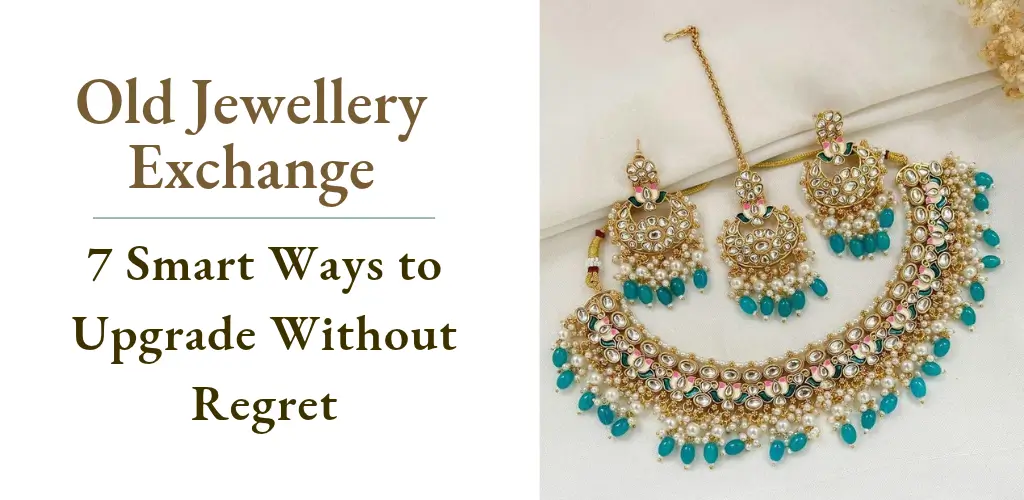
Traditional gold necklaces, temple jewellery, layered haar designs, and regional bridal ornaments are often chosen for weddings and major family celebrations. Some are inherited across generations, making them part of a family’s history.
Diamond necklaces have also become popular for engagements, anniversaries, formal events, and contemporary bridal looks. Depending on the design, a necklace can be a subtle everyday accessory or the centrepiece of an elaborate ensemble.
Beyond appearance, the emotional significance of a necklace often comes from the person who gifted it, the occasion for which it was purchased, or the memories associated with wearing it.
Styling tip: Match the necklace length and design to your neckline. A delicate pendant works well for understated looks, while a statement necklace can complement a simpler outfit.
7. What Is the Significance of Toe Rings in Indian Culture?
Toe rings, commonly known as bichiya in several parts of India, are traditionally associated with married women in some communities. They are often made from silver and worn on the toes according to regional customs.
For many women, toe rings are a familiar part of wedding rituals and married life. However, their significance and the expectations surrounding their use differ between families and communities.
Silver toe rings are available in simple bands as well as designs featuring floral details, stones, and decorative motifs. Their understated appearance makes them a distinctive example of how even small ornaments can carry cultural meaning.
Some traditional beliefs associate toe rings with reproductive health or improved circulation. These claims should be understood as cultural beliefs rather than proven medical benefits.
Styling tip: Prioritise comfort, suitable sizing, and smooth edges when selecting toe rings, especially if you intend to wear them regularly.
8. What Is the Meaning Behind Traditional Indian Rings?
Rings are exchanged to celebrate engagements, weddings, anniversaries, achievements, and other meaningful milestones. They are also popular personal gifts because they can be worn every day and carry a reminder of the person or moment they represent.
Engagement rings, in particular, have become an important part of modern Indian proposals. While some couples prefer classic solitaire diamonds, others choose designs featuring oval, emerald, cushion, or pear-shaped stones.
The significance of a ring is not determined solely by its size or price. A simple band can be just as meaningful as an elaborate diamond design when it represents a personal promise or shared memory.
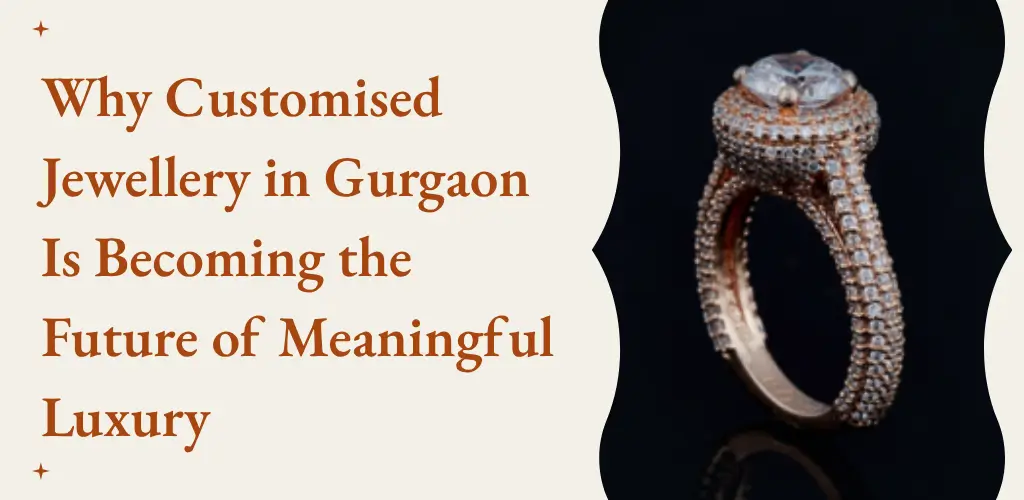
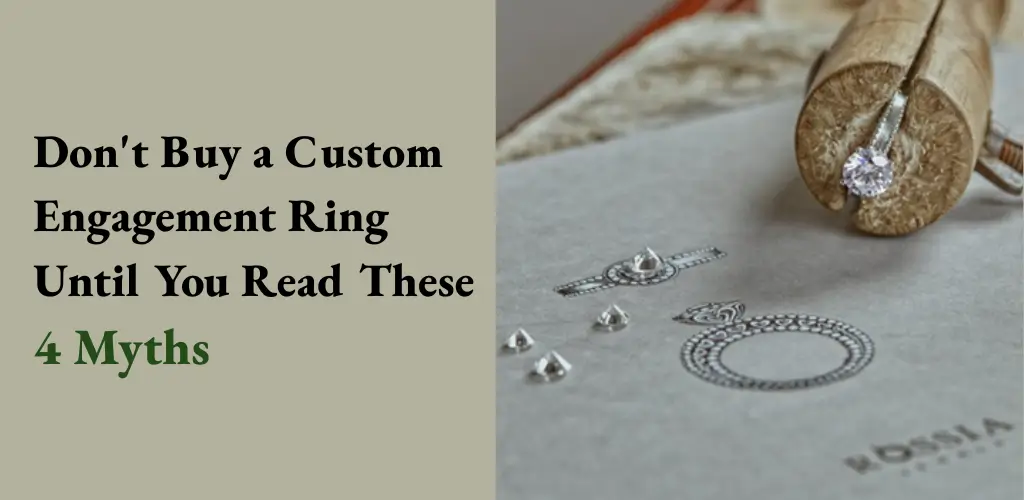
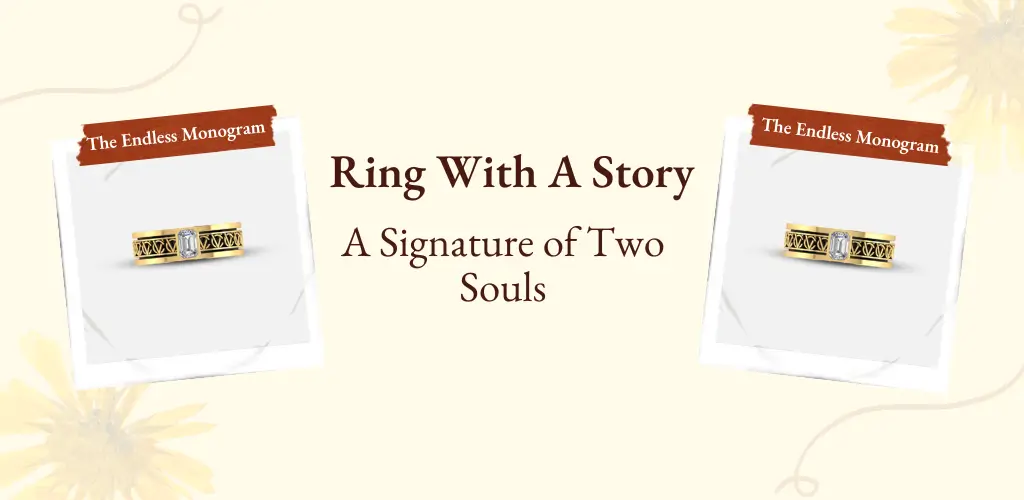
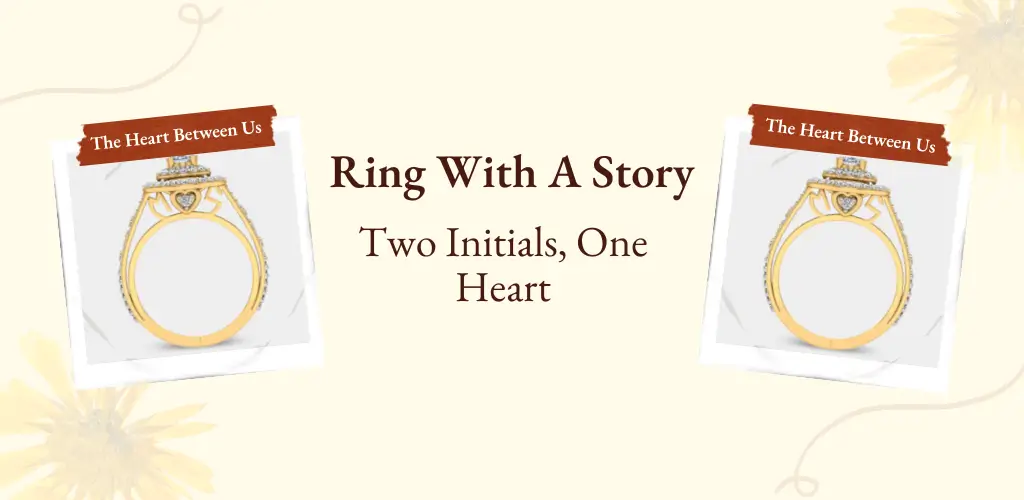
At Rossia Jewels, we believe a ring can be more than a beautiful ornament. Through personalised and custom-made designs, customers can explore ways to incorporate meaningful details, preferred gemstones, initials, or elements inspired by their relationship.
Our approach combines individual preferences with jewellery craftsmanship, helping customers create pieces that feel personal rather than simply selecting a design off the shelf.
Styling tip: Before selecting an engagement ring, consider the wearer’s lifestyle, preferred stone shape, metal colour, comfort, and budget.
9. Why Are Silver Anklets Popular in Indian Jewellery Traditions?
Anklets, also known as payal or pajeb, have been worn across India for generations. Traditional designs often feature delicate chains, tiny bells, or intricate silver patterns that create a distinctive sound with movement.
Depending on the region and occasion, anklets may be associated with femininity, celebration, festive dressing, and traditional dance. They are particularly popular as bridal gifts and as accessories for ethnic outfits.
Silver remains a common choice for anklets, although modern designs also include minimal chains and contemporary decorative details.
Traditional stories sometimes describe silver as having special energy-related properties. Such ideas belong to cultural belief and should not be confused with established scientific evidence.
Styling tip: Lightweight anklets can complement everyday outfits, while embellished or bell-detail designs can add character to festive and traditional clothing.
10. What Is the Role of Kamarbandh in Traditional Indian Jewellery?
A kamarbandh, also called a waist belt in jewellery styling, is an ornament worn around the waist. It is especially associated with bridal attire, classical dance costumes, and certain regional festive traditions.
Traditionally crafted in gold or decorated with intricate motifs, kamarbandhs can highlight the structure of a saree, lehenga, or other traditional outfit.
Today, modern versions range from ornate temple-inspired pieces to lighter designs suited to contemporary occasion wear. Their popularity demonstrates how traditional ornaments can remain relevant through changing fashion trends.
Although historical and cultural beliefs sometimes associate waist ornaments with maintaining body shape, there is no reliable basis for treating jewellery as a method of preventing fat accumulation.
Styling tip: Choose a kamarbandh that sits comfortably and securely, complements the outfit’s embellishments, and allows you to move with ease.
How Has Indian Traditional Jewellery Evolved for Modern Women?
Indian jewellery has changed alongside lifestyles, fashion preferences, and the ways people celebrate important milestones.
Today’s buyers may value traditional craftsmanship while preferring lightweight pieces, contemporary silhouettes, and everyday jewellery. This has created space for designs that combine cultural influences with modern simplicity.
Some notable trends include:
- Minimalist gold jewellery: Delicate chains, slim bangles, and understated earrings that work across occasions.
- Contemporary diamond jewellery: Solitaire rings, diamond studs, and pendants that complement both Indian and Western outfits.
- Personalised jewellery: Initials, dates, symbolic motifs, and designs inspired by meaningful relationships.
- Versatile bridal jewellery: Pieces that can be worn again after the wedding rather than reserved for a single occasion.
- Custom-made designs: Jewellery created around an individual’s preferences, desired proportions, stone selection, and budget.
These trends do not replace traditional jewellery. Instead, they offer more ways to interpret and preserve its emotional value.
How Is Indian Traditional Jewellery Different From Modern Jewellery?
|
Comparison factor |
Traditional jewellery |
Modern jewellery |
|
Design |
Intricate patterns, regional motifs, heritage-inspired craftsmanship |
Minimalist, contemporary, and personalised designs |
|
Materials |
Often gold and silver, sometimes with precious stones |
Gold, natural diamonds, lab-grown diamonds, and other materials |
|
Primary purpose |
Cultural traditions, weddings, heirlooms, and celebrations |
Everyday styling, personal expression, and special milestones |
|
Customisation |
Often influenced by family traditions and regional styles |
Frequently tailored to personal preferences and lifestyle |
|
Styling |
Commonly paired with ethnic and occasion wear |
Designed to complement Indian and Western outfits |
|
Emotional value |
Often connected to family history and cultural heritage |
Often connected to individuality, relationships, and personal stories |
The takeaway: Traditional and modern jewellery are not opposites. Many contemporary designs combine heritage-inspired details with modern wearability, allowing customers to honour traditions while expressing their own style.
How Can You Choose Jewellery That Balances Tradition and Personal Style?
Selecting jewellery becomes easier when you start with the purpose behind the purchase rather than trends alone.
Consider these five factors before making your choice:
- Occasion: Decide whether the piece is intended for daily wear, a wedding, a festive event, or a special gift.
- Personal style: Consider whether the wearer prefers traditional ornamentation, minimalist designs, or a combination of both.
- Comfort and practicality: Check weight, fit, fastening, and how easily the piece can be worn and maintained.
- Material and certification: Understand the gold purity, diamond characteristics, available certifications, and applicable hallmarking.
- Long-term value: Consider the design’s durability, maintenance requirements, after-sales support, and whether the jewellery is likely to remain meaningful over time.
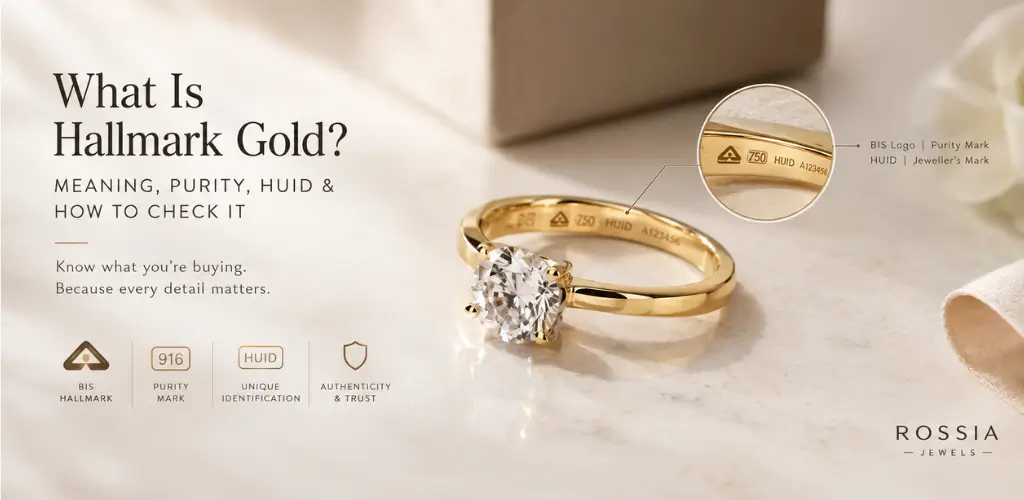
For gold jewellery, ask about purity and applicable BIS hallmarking and HUID details. For certified diamonds, understand what the certificate covers and verify its details with the issuing laboratory when applicable.
A reliable jeweller should explain these details clearly, provide transparent pricing, and give you the information needed to make an informed decision.
Which Type of Jewellery Should You Choose for Different Occasions?
|
Occasion |
Jewellery to consider |
What to prioritise |
|
Engagement |
Solitaire rings, personalised diamond rings |
Stone shape, comfort, budget, and personal meaning |
|
Wedding |
Necklaces, bangles, earrings, maang tikka |
Outfit coordination, craftsmanship, and cultural preferences |
|
Everyday wear |
Stud earrings, pendants, lightweight rings |
Comfort, durability, and versatility |
|
Anniversary |
Diamond rings, pendants, necklaces |
Personal significance and the recipient’s style |
|
Festivals |
Bangles, jhumkas, statement necklaces |
Colour, occasion, and styling |
|
Family heirloom |
Gold necklaces, bangles, classic rings |
Timeless design, maintenance, and long-term care |
|
Personalised gifting |
Custom pendants, engraved jewellery, bespoke rings |
Individuality, meaningful details, and suitability for the recipient |
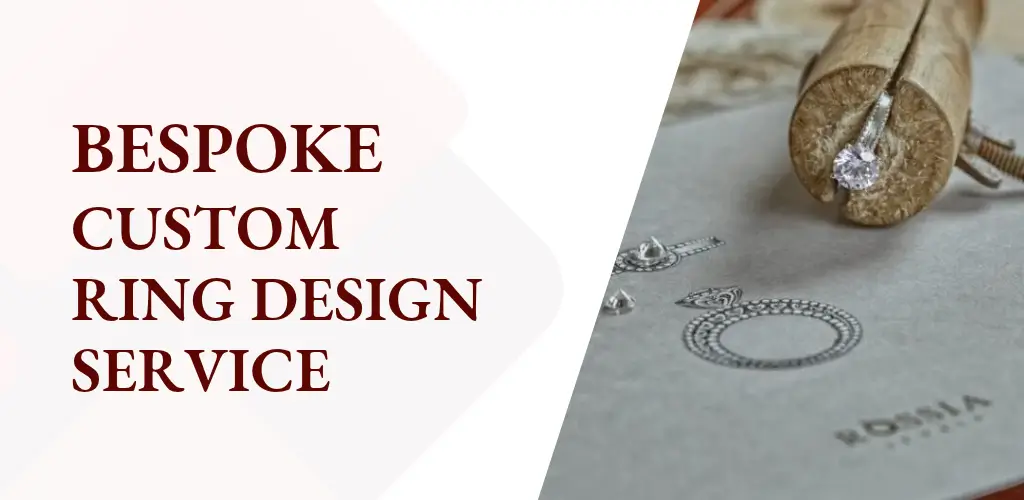
If you are considering a personalised engagement ring, you can explore Rossia Jewels’ custom ring experience to discover designs inspired by your preferences and story.
What Should You Look for in a Trusted Jewellery Brand in Gurgaon?
Choosing a jeweller is an important part of buying jewellery, especially when the purchase involves a wedding, engagement, family heirloom, or significant financial commitment.
For customers looking for gold and diamond jewellery in Gurgaon, the right jeweller should offer more than attractive designs. Transparency, craftsmanship, personal guidance, and dependable communication all contribute to a confident buying experience.
Before you buy, it helps to understand what separates a reliable jewellery retailer from one that offers limited information or unclear policies.
How Can You Evaluate a Trusted Jeweller in Gurgaon?
|
What to check |
Questions to ask your jeweller |
Why it matters |
|
Gold purity |
Is the gold purity clearly stated? Is applicable BIS hallmarking and HUID information available? |
Helps you understand the gold’s declared purity |
|
Diamond certification |
Is the diamond certified? Which grading laboratory issued the certificate? |
Helps you verify the documented characteristics of the diamond |
|
Pricing transparency |
Is the price breakdown clear, including metal, stones, making charges, and applicable taxes? |
Makes it easier to compare options and understand costs |
|
Customisation |
Can the design, setting, metal colour, or proportions be tailored to my preferences? |
Helps you assess whether your specific requirements can be accommodated |
|
Production timeline |
What is the expected production and delivery timeline? |
Sets clear expectations before you place an order |
|
After-sales service |
What are the written buyback, exchange, maintenance, and repair policies? |
Helps you understand the support available after purchase |
|
Consultation options |
Can I visit the studio or discuss designs through a virtual consultation? |
Makes jewellery shopping more accessible and convenient |
At Rossia Jewels, we believe trust begins with clear information, personal guidance, and helping customers understand their choices.
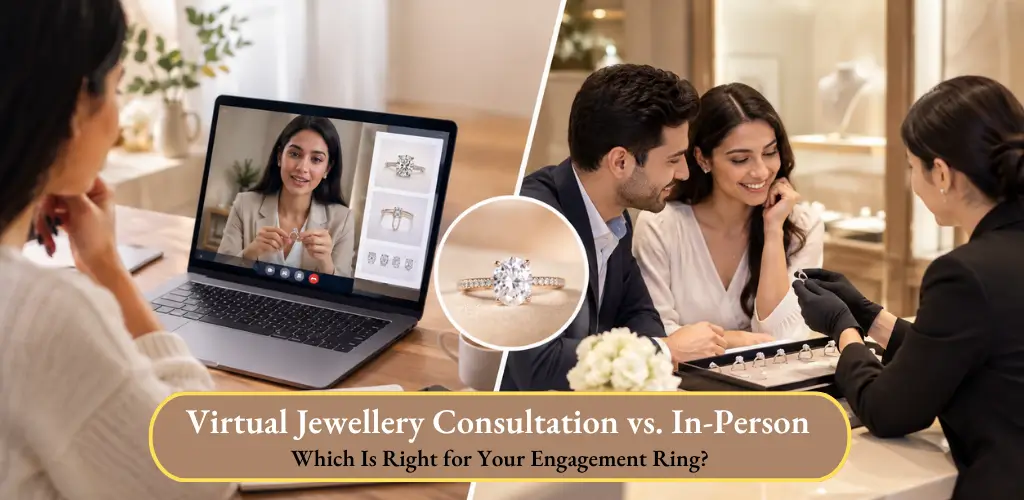
Our Gurgaon studio in Sector 61 offers customers an opportunity to explore jewellery designs in person and discuss customisation requirements with our jewellery consultants. Whether you are comparing diamond shapes, considering a personalised engagement ring, or looking for jewellery for a special occasion, a consultation can help you understand your options.
For customers based outside Gurgaon, virtual consultations offer another way to explore designs and discuss requirements before deciding on the next step.
Rossia Jewels works with both natural and lab-grown diamonds, giving customers options to consider based on their preferences and budgets. We help customers understand their choices and explore designs that suit their requirements.
Our approach is simple: jewellery shopping should feel personal, informed, and transparent.
Can Custom Jewellery Preserve a Family Tradition While Reflecting Your Story?
Custom jewellery offers a way to bring personal meaning into a design while retaining the elements that make traditional ornaments special.
For example, a customer may want to reinterpret a family ring with a contemporary diamond setting, create an engagement ring inspired by a shared memory, or incorporate a meaningful motif into a pendant.
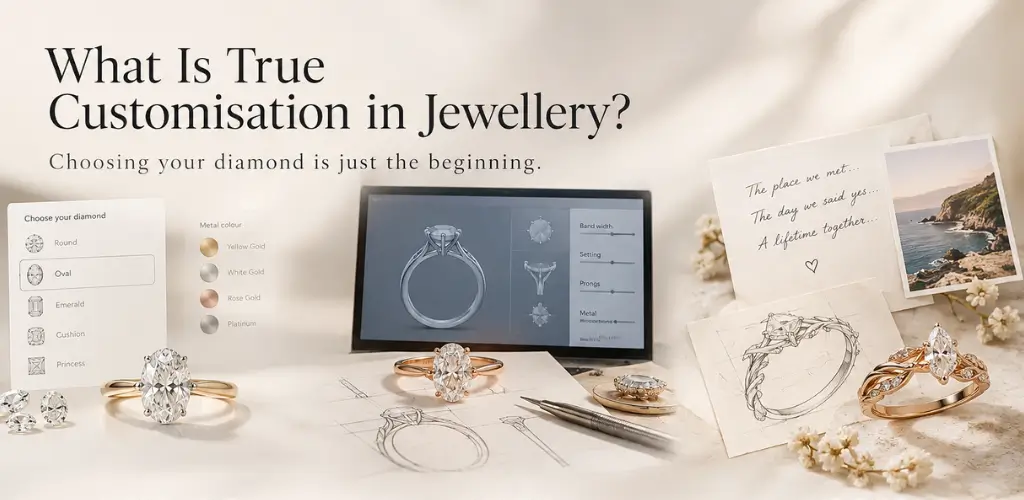
Customisation can also involve practical decisions such as the choice of metal, stone shape, setting style, band width, and overall proportions. The possibilities depend on the design, materials, and production requirements.
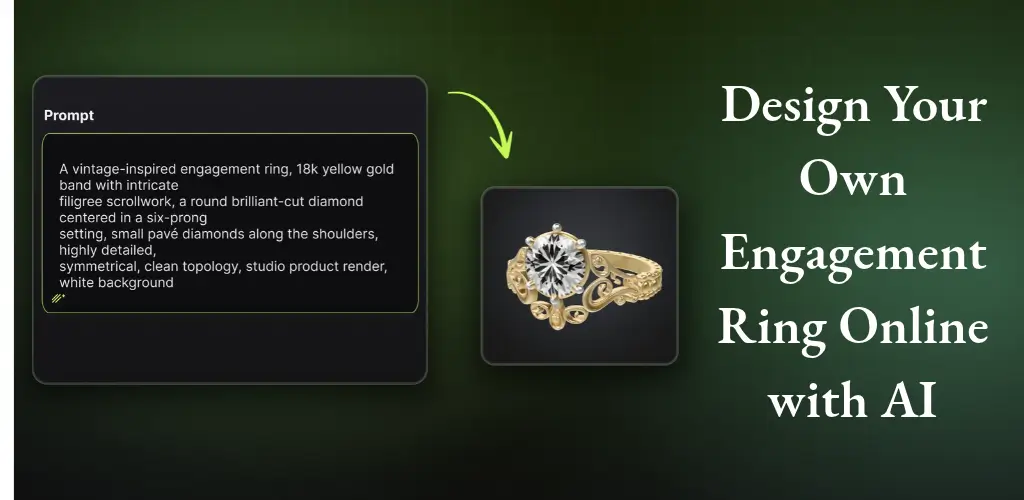
At Rossia Jewels, we believe that meaningful jewellery starts with understanding the person who will wear it. Our custom engagement ring experience gives customers an opportunity to discuss their ideas and explore designs shaped around their preferences and stories.
For couples looking to create something deeply personal, the process can begin with a memory, a shared experience, or a detail that represents their relationship. These ideas can then be explored as potential design elements.
For families who value traditional jewellery but want something distinctive for the next generation, a thoughtfully customised piece can bring together heritage and individuality.
Why Does Indian Jewellery Continue to Hold Emotional Value Across Generations?
Fashion trends may change, but jewellery often remains connected to the moments that matter most.
A mother’s bangles, a grandmother’s necklace, a wedding ring, or a pair of earrings gifted on a milestone birthday can become part of a family’s shared history. Such pieces are treasured not only for their materials but also for the memories and relationships they represent.
Younger generations may express this connection differently. They may choose minimalist designs, personalised pendants, or contemporary diamond rings rather than traditional heavy ornaments. Yet the underlying desire to celebrate love, family, identity, and important milestones remains.
This is the enduring appeal of Indian traditional jewellery and its significance: it offers a tangible way to carry memories forward while allowing every generation to express itself.
Conclusion: How Can You Celebrate Indian Jewellery Traditions in Your Own Way?
Indian traditional jewellery represents a rich combination of cultural heritage, craftsmanship, personal style, and emotional connection. From the mangalsutra and bangles to anklets, necklaces, and engagement rings, each ornament can hold a different meaning depending on the person, occasion, and tradition.
Understanding Indian traditional jewellery and its significance allows us to appreciate these pieces beyond their appearance. It also helps us make more thoughtful choices about the jewellery we wear, gift, and pass down.
At Rossia Jewels, we believe every piece should combine thoughtful design with the confidence that comes from an informed purchase. Whether you are looking for diamond jewellery, exploring a custom engagement ring, or seeking guidance on a design that reflects your story, our team is here to help you explore the possibilities.
Visit our Gurgaon studio in Sector 61 for a personal jewellery consultation, or enquire about a virtual consultation if you are based elsewhere.
Rossia Jewels – jewellery chosen for today, treasured for generations.
Frequently Asked Questions
1. What is the significance of Indian traditional jewellery?
Traditional Indian jewellery represents cultural heritage, family customs, celebrations, personal milestones, and, in many families, financial security. The meaning of individual ornaments varies by region and tradition.
2. Which jewellery is traditionally worn by Indian brides?
Indian bridal jewellery may include a mangalsutra, maang tikka, nath, bangles, necklaces, earrings, rings, and anklets. The selection depends on regional customs, family traditions, and the bride’s preferences.
3. Why is gold jewellery important in Indian culture?
Gold jewellery is valued for its cultural associations, craftsmanship, gifting traditions, and role in family celebrations. Many families also consider gold a form of wealth, although its financial value can fluctuate.
4. How do I choose a trusted jeweller in Gurgaon?
Look for transparent pricing, clear gold purity and diamond certification information, personalised guidance, documented after-sales policies, and the opportunity to inspect designs or arrange a consultation.
5. Can I customise a traditional jewellery design at Rossia Jewels?
Rossia Jewels offers custom jewellery and engagement ring design experiences. Customers can discuss their preferences with a jewellery consultant to explore suitable design options, materials, and customisation possibilities.