
Lab Grown Diamond, Engagement Rings

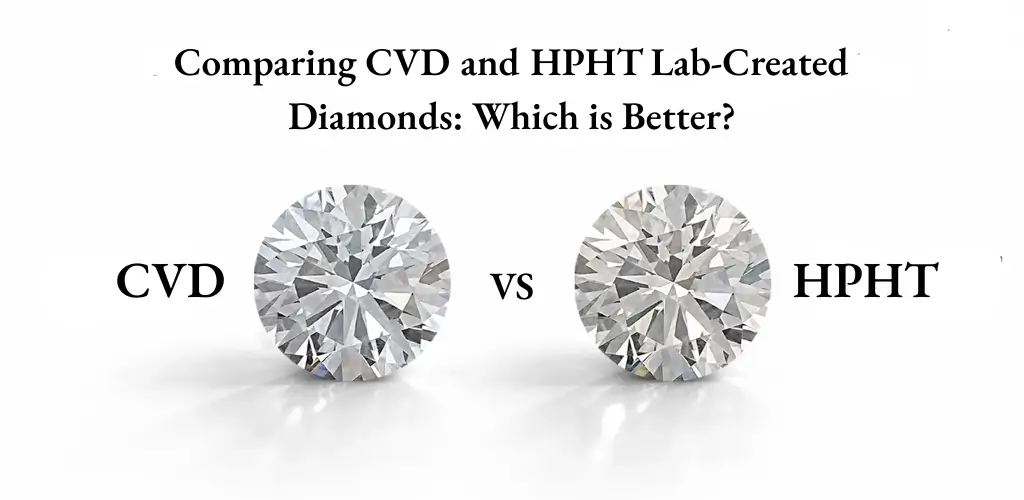
Comparing CVD and HPHT Lab-Created Diamonds: Which is Better?

Lab-Created Diamonds

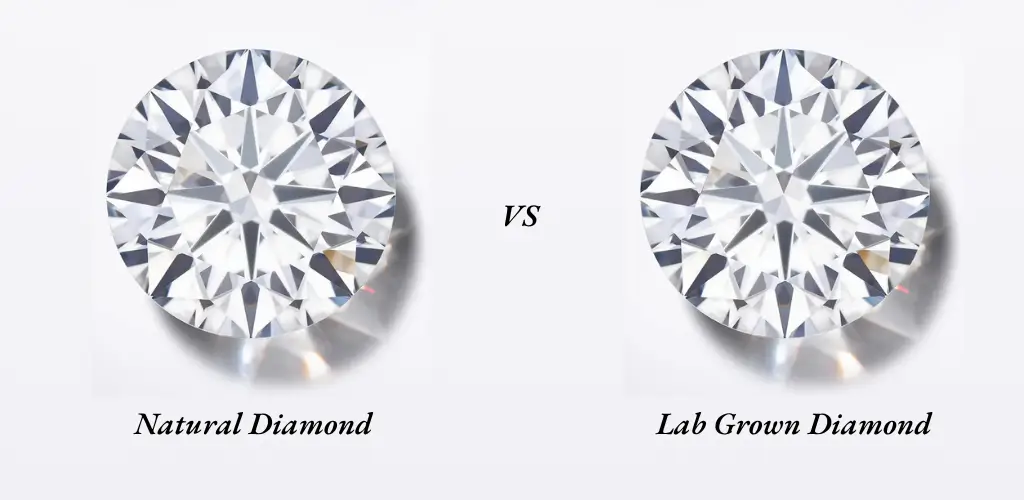
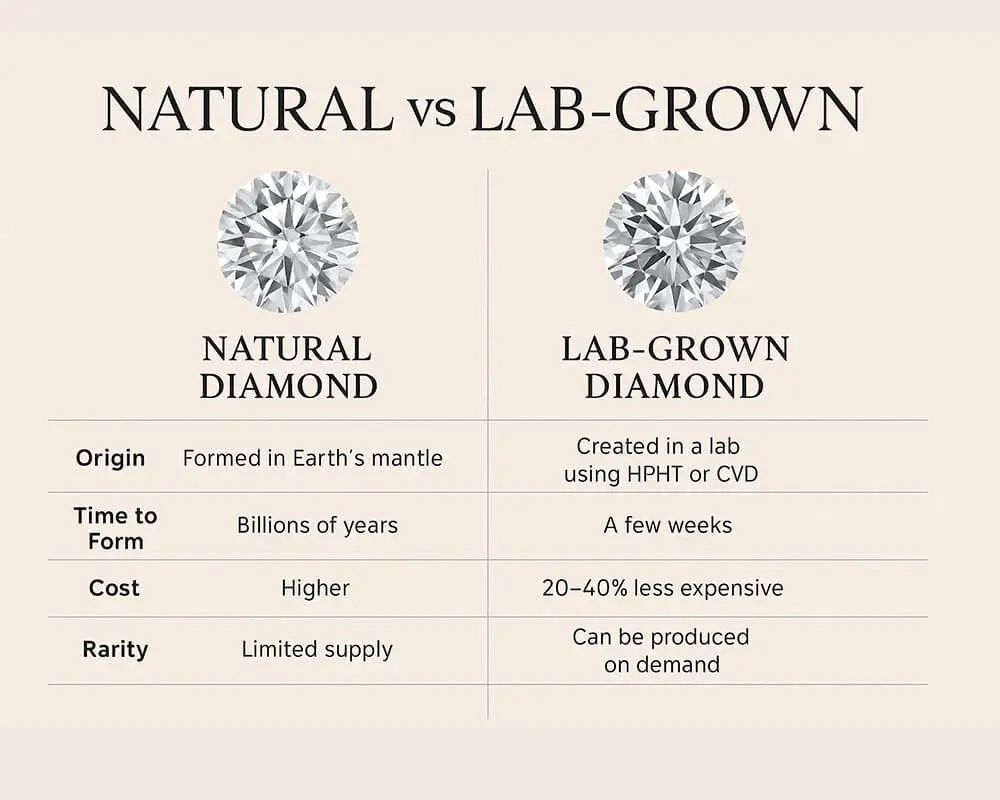
When you dive into the technical world of lab-created diamonds, you’ll encounter two main "growth" methods: HPHT (High Pressure High Temperature) and CVD (Chemical Vapor Deposition). 

While both produce real diamonds, at Rossia Jewels, we often steer our more discerning clients toward CVD. Why? Because it represents the absolute cutting edge of diamond technology and offers a level of purity that is incredibly rare in nature. Today, consumers like you have a wealth of choices, thanks to advancements in technology. Among these choices, lab-created diamonds have emerged as a popular and ethical alternative to natural diamonds. Here is why CVD is the preferred choice for a modern, high-quality engagement ring.

CVD: The "Type IIa" Purity Elite

In the diamond world, Type IIa is the gold standard. These are diamonds with no measurable nitrogen impurities - they are the most chemically pure diamonds in existence. In nature, only 2% of diamonds reach this level of perfection.

CVD diamonds are natively Type IIa.

Because the CVD process involves growing the diamond atom-by-atom from a carbon-rich gas in a vacuum, the environment is exceptionally controlled. Unlike the HPHT method, which uses metallic catalysts (like iron or nickel) that can sometimes leave trace metallic inclusions, CVD relies on pure science.

Why CVD Wins the "Pro" Vote:

  • Superior Light Performance: Because CVD diamonds grow in a singular, vertical direction (tabular growth), they often exhibit less internal strain than HPHT stones. This leads to a crisper, "cleaner" look where the light can move without interference.
  • The "3D Printed" Precision: Think of CVD as "3D printing" a diamond with carbon gas. This high-tech approach allows for the growth of larger, high-clarity stones that retain their "ice-white" brilliance without the bluish or grayish tint sometimes found in HPHT stones.
  • No Magnetic Signature: Because HPHT uses metal to melt carbon, some HPHT stones can actually exhibit slight magnetic properties. CVD diamonds are entirely non-magnetic, just like the highest-quality natural stones found on Earth.

CVD vs. HPHT: The Technical Comparison of Lab-Created Diamonds

Feature

HPHT (The "Original")

CVD (The "Choice")

Growth Environment

Crushing Pressure & Intense Heat

Low Pressure & Carbon Gas

Purity Grade

May contain metallic traces

Type IIa (The Purest Form)

Color Quality

Excellent (often D-E-F)

Exceptional (Icy White / Colorless)

Internal Strain

High (Multi-directional growth)

Low (Linear growth)

Expert Verdict

Great for small accents

Preferred for high-clarity Solitaires

The Rossia Jewels Perspective: A Designer’s Choice in the Lab-Created Diamonds Industry

As a NIFT-trained designer, our founder looks beyond just the "C" on a certificate. We look at the "Lustre" - the soul of the stone.

At Rossia Jewels, we prefer CVD for our Lab-grown diamond engagement rings and Lab-Created Solitaire Rings because it allows us to offer our customers the highest possible clarity. When you are looking at a 1-carat or 2-carat stone, any "haze" or "milkiness" is a dealbreaker. CVD technology ensures that the stone is as transparent as a drop of water, providing that legendary "fire" that defines a Rossia ring.

Taking an Informed Decision

Ultimately, we believe in a consultative approach. We aren't here to push an acronym; we are here to help you find lab-created diamonds that match your vision. If you prioritize chemical purity and the most advanced technology available today, CVD is your clear winner.

To make an informed decision, our team encourages you to reach out to Rossia Jewels and schedule a consultation. We would be happy to educate you on your options, learn about your priorities, and help you choose a lab-created diamond that is a meaningful purchase you will treasure for years to come. We invite you to tailor your jewellery purchase and ensure it aligns with your unique needs and values.

Ready to see the difference for yourself?

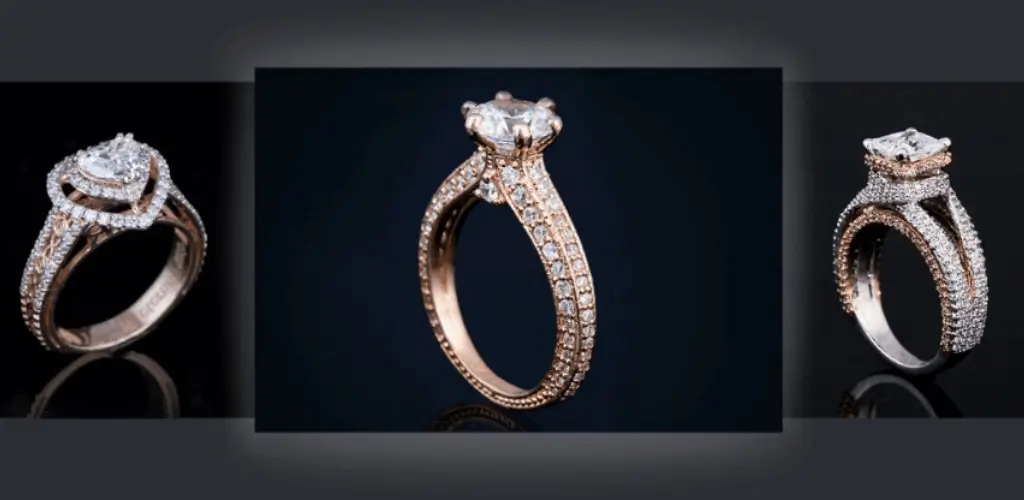
Visit our Lab-Grown Engagement Rings page to browse over 1,200+ designs. Every piece is meticulously engineered to balance the optics, ensuring your center stone achieves its maximum visual impact while providing the lifelong security of 14KT or 18KT gold.

Frequently Asked Questions

Q: Which type of lab-created diamonds is more environment friendly?

Answer: Both CVD diamonds and HPHT lab-created diamonds are considered more environmentally friendly and ethical compared to mined diamonds. They do not involve the environmental damage or ethical concerns associated with diamond mining. Both methods use less energy and do not contribute to conflict or unethical labour practices.

Q: How do Lab-Created Diamonds Like CVD and HPHT affect the resale value?

Answer: CVD diamonds might have a slightly higher resale value due to their more controlled production process, which often results in fewer inclusions and more colour options. However, the resale market for lab-created diamonds is still developing, so values can fluctuate based on demand and market trends.

Q: How does the choice between CVD and HPHT diamonds impact the diamond’s durability?

Answer: Both CVD diamonds and HPHT diamonds are equally durable and hard. They score a 10 on the Mohs scale of hardness, just like natural diamonds. The differences between CVD and HPHT lab-cretaed diamonds do not affect their durability or overall strength. Whether you choose CVD or HPHT, you’ll get a diamond that is resistant to scratching and everyday wear, ensuring that it remains beautiful and enduring over time.

Leave a Reply

Your email address will not be published. Required fields are marked *