-
Carat Weight Doesn’t Tell the Whole Story
The first misconception many diamond buyers have is:
“If two diamonds are 1 carat, they should cost roughly the same.”
Not necessarily.
Carat refers to weight, not quality.
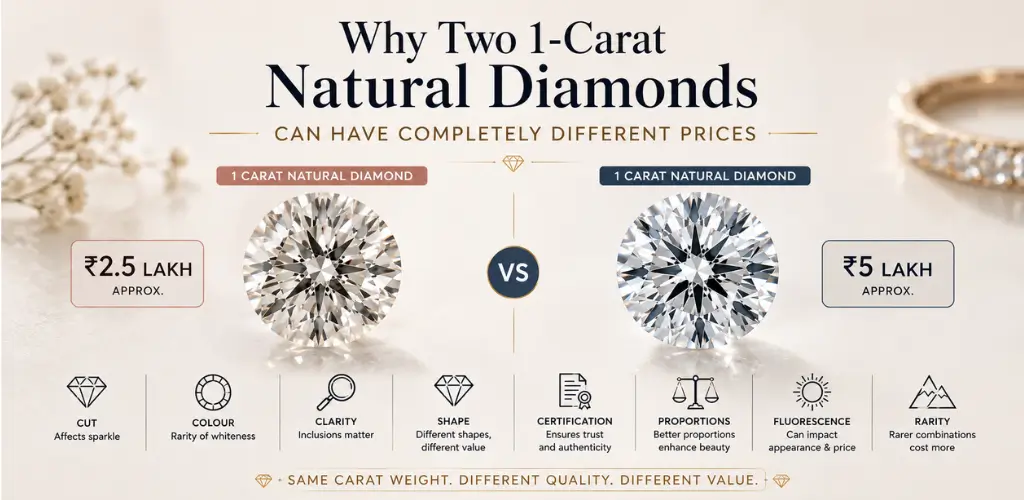
A 1 carat diamond can have excellent cut quality and exceptional clarity, while another 1 carat diamond may have lower clarity, a different colour grade or weaker proportions.
Think of carat as the starting point, not the final price tag.
This is why searching for the 1 carat natural diamond price without considering the diamond’s complete specifications can be misleading.
-
Cut Can Make a Major Difference
Among the traditional 4Cs – Cut, Colour, Clarity and Carat – cut is one of the most important factors affecting how a diamond looks.
A well-cut diamond can interact with light beautifully, creating:
- More brilliance
- Better sparkle
- Stronger light return
- Balanced proportions
- A lively appearance
Two 1 carat diamonds can therefore look very different even though they weigh the same.
A poorly proportioned diamond may appear less brilliant or smaller-looking, while a well-cut diamond can have impressive visual presence.
The important point:
You are not simply buying 1 carat of diamond. You are buying how that carat performs visually.
-
Colour Grade Changes the Price
Natural diamonds are graded for colour on a scale that generally ranges from colourless to increasingly noticeable yellow or brown tones.
For many traditional white diamonds:
- D – F are considered colourless
- G – J are generally considered near-colourless
A 1 carat D-colour diamond can command a significantly different price from a 1 carat diamond with a lower colour grade.
But does that mean D is always the right choice?
Not necessarily.
For some jewellery designs, a slightly lower colour grade can still appear beautifully white while allowing you to allocate more of your budget toward carat size or clarity.
The best colour grade is the one that gives you the appearance you want within your budget.
-
Clarity Can Change the Price Dramatically
Clarity refers to the presence of internal characteristics, known as inclusions, and external characteristics or blemishes.
You may come across grades such as:
- Flawless (FL)
- Internally Flawless (IF)
- Very, Very Slightly Included (VVS)
- Very Slightly Included (VS)
- Slightly Included (SI)
A 1 carat diamond with very high clarity can cost considerably more than a 1 carat diamond with a lower clarity grade.
But here’s where smart buying comes in.
Higher clarity doesn’t automatically mean a visibly better diamond.
If inclusions are difficult to see without magnification, paying a substantial premium for a higher clarity grade may not make a noticeable difference to the naked eye.
For many buyers, finding a diamond that is eye-clean can be a more practical approach.
-
Diamond Shape Matters Too
A 1 carat round diamond and a 1 carat oval diamond don’t necessarily have the same price.
Round brilliant diamonds are traditionally among the most sought-after diamond shapes and can command a premium.
Other popular shapes include:
- Oval
- Emerald
- Cushion
- Pear
- Princess
- Radiant
- Marquise
Shape affects not only price but also how large the diamond appears on the finger.
For example, elongated shapes such as oval, pear and marquise can sometimes create greater visual spread for their carat weight.
So if your priority is maximum visual size, comparing different shapes can be worthwhile.
-
Certification Adds Confidence – and Can Affect Pricing
When buying a natural diamond, certification is another important consideration.
A reputable independent gemological laboratory assesses a diamond’s characteristics and provides a grading report.
You may come across certificates from laboratories such as GIA or IGI, depending on the diamond and market.
A certified diamond gives you documented information about characteristics such as:
- Carat weight
- Colour
- Clarity
- Cut
- Measurements
- Other grading observations
Certification itself isn’t a magical guarantee that one diamond is worth more than another. However, the quality documented on the report, the reputation of the grading laboratory and buyer confidence can all influence the market value.
Always ask to see the diamond’s grading report before making a significant purchase.
-
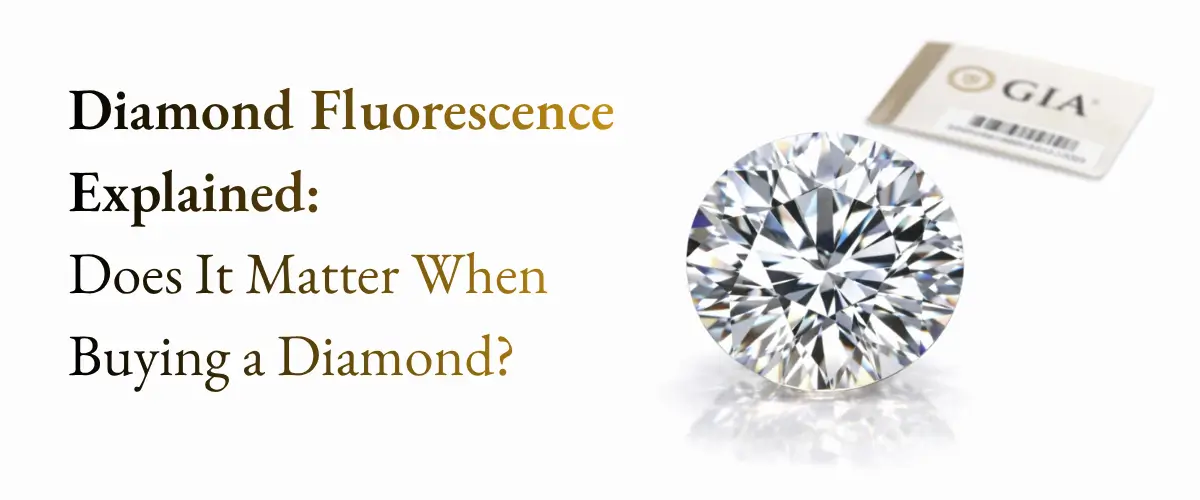
Fluorescence Can Influence Price
Some natural diamonds exhibit fluorescence when exposed to ultraviolet light.
Fluorescence isn’t automatically good or bad.
Its impact depends on factors such as:
- Strength of fluorescence
- Diamond colour
- Overall appearance
- Buyer preferences
- Market demand
Two otherwise similar 1 carat diamonds can therefore have different prices partly because of differences in fluorescence.
This is another reason why looking only at carat weight doesn’t tell the complete story.
-
Proportions and Measurements Matter
Here’s something many first-time buyers overlook:
Two diamonds with the same carat weight can have different measurements.
Why?
Because carat is weight, not physical dimensions.
A diamond may carry more weight in its depth or other areas without necessarily looking larger from the top.
That means two 1 carat diamonds can have different:
- Length
- Width
- Depth
- Table percentage
- Depth percentage
- Overall proportions
This is particularly important when you’re comparing diamonds based on how large they look on the finger.
-
Rarity Plays a Role
Natural diamonds formed deep within the Earth over extremely long geological periods.
Their natural characteristics vary from stone to stone.
A diamond with a combination of desirable characteristics can be significantly rarer than another diamond of the same weight.
For example, imagine two 1 carat diamonds:
Diamond A
- Lower colour grade
- Lower clarity
- Average cut
Diamond B
- Higher colour grade
- Higher clarity
- Excellent cut
- Desirable proportions
Both weigh 1 carat.
But they aren’t equivalent diamonds.
The second stone represents a different combination of rarity and quality – and therefore can command a higher price.
-
Natural Diamond Prices Also Reflect Market Factors
Diamond pricing isn’t determined by a single formula.
Supply, demand, market conditions, availability, sourcing, retailer margins and the specific characteristics of an individual stone can all influence the final price.
That’s why you shouldn’t assume that a particular carat weight always has one fixed price.
Instead, think of natural diamond pricing as a combination of:
Carat + Cut + Colour + Clarity + Shape + Certification + Rarity + Market Factors
This is why a search for “1 carat natural diamond price in India” can produce a wide range of prices.
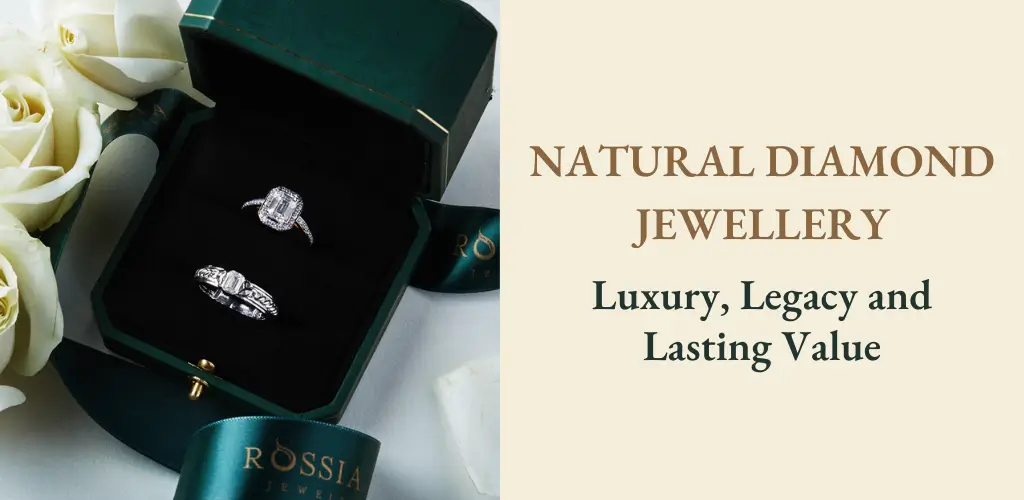
Must Read: Natural Diamond Jewellery: Luxury, Legacy and Lasting Value