Blog
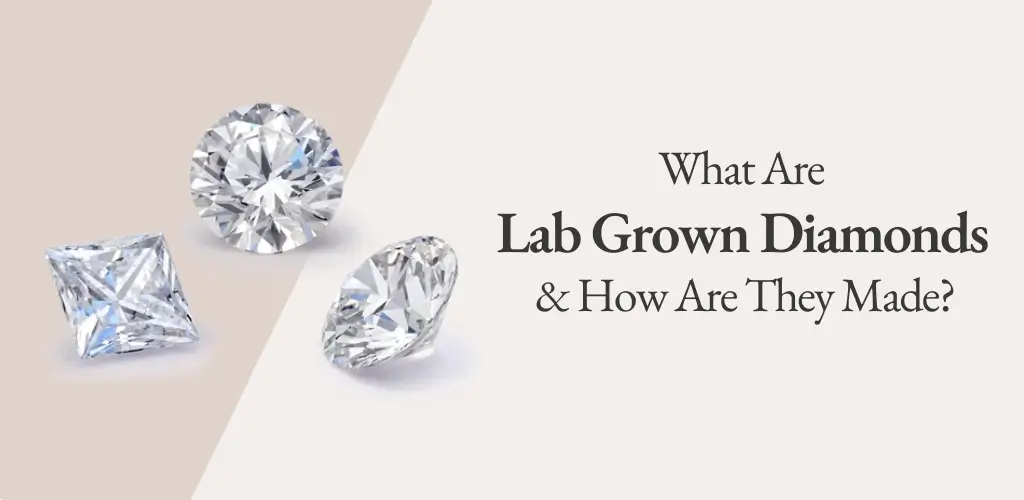
What Are Lab Grown Diamonds and How Are They Made? The Definitive Guide 2026
Introduction to Lab Grown Diamonds: A New Era of Luxury
Diamonds have always symbolised timeless elegance, love, and celebration. But today, Lab grown diamonds are redefining timeless elegance, love, and celebration for a new generation of buyers. Today, luxury is no longer defined by rarity alone - it’s about value, transparency, and conscious choices.
This is where lab grown diamonds step in.
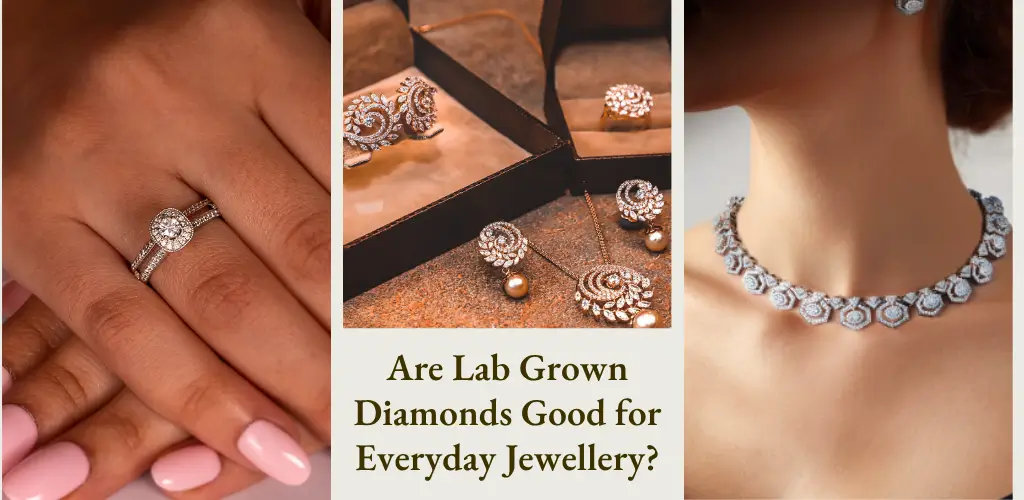
Lab grown diamonds have rapidly gained popularity in India and across the world, becoming a preferred choice for engagement rings, earrings, and everyday fine jewellery. Known for their exceptional sparkle, affordability, and ethical origin, they offer everything you expect from a diamond - without the traditional limitations.
But what exactly is a lab grown diamond? How are lab grown diamonds made? And why are so many modern buyers choosing them over mined diamonds?
This comprehensive guide answers it all.

What Is a Lab Grown Diamond?
A lab grown diamond (also known as a man-made diamond) is a real diamond created in a controlled laboratory environment. It has the same chemical composition, physical properties, and optical brilliance as a natural diamond formed beneath the Earth’s surface.
In fact, even expert gemologists cannot distinguish between a natural diamond and a lab created diamond without specialised equipment.
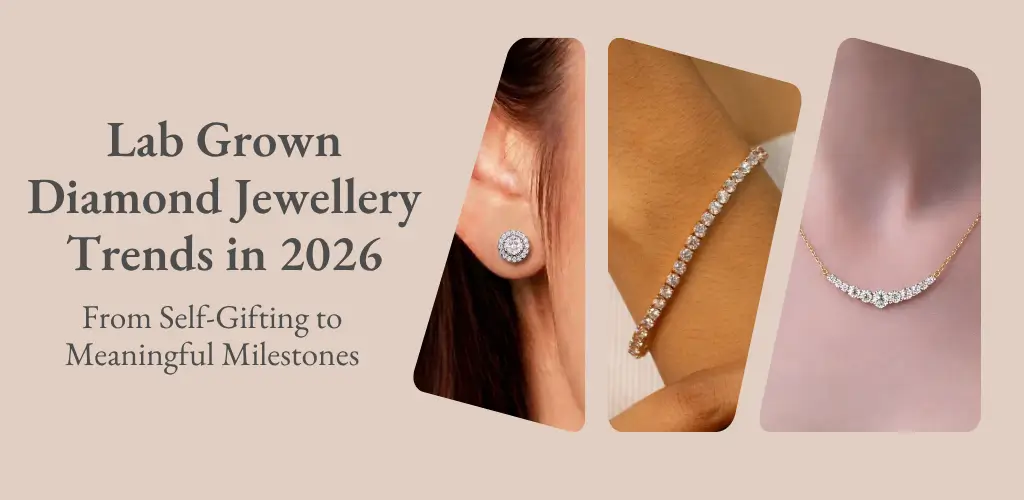
From lab grown diamond engagement rings to diamond earrings and pendants, these diamonds are redefining how fine jewellery is designed, worn, and valued.
Why Lab Grown Diamonds Are Becoming So Popular?
The rising demand for lab grown diamonds in India is driven by a combination of practical benefits and evolving consumer preferences. Here’s why they are gaining momentum:
- Exceptional Value for Money
Lab grown diamonds are typically 60-80% more affordable than natural diamonds. This means you can opt for:
- A bigger carat size
- Better clarity (VVS/VS grades)
- Higher colour grades (D–F range)
- all within the same budget.
- Ethical and Conflict-Free Choice
Unlike mined diamonds, lab-grown diamonds are created without large-scale mining operations. This makes them a conflict-free diamond option, ideal for buyers who value responsible sourcing and transparency.
- Sustainable and Environment-Friendly
With increasing awareness around sustainability, eco-friendly diamonds are becoming a key consideration. Lab grown diamonds reduce the environmental disruption caused by traditional mining, making them a more sustainable luxury choice.
- Identical Beauty and Durability
Lab grown diamonds are not substitutes - they are real diamonds. They offer:
- The same fire and brilliance
- The same hardness (10 on the Mohs scale)
- The same timeless appeal
Whether you’re choosing a lab grown diamond rings, stud earrings, or a solitaire pendant, the visual experience remains identical to mined diamonds.
How Lab Grown Diamonds Are Made?
There are two primary techniques used to create lab grown diamonds:
1. High Pressure High Temperature (HPHT)
This method replicates the natural diamond-forming conditions found deep within the Earth.
- Carbon is subjected to extreme pressure (around 50,000 atmospheres) and temperatures of approximately 1,500°C
- A small diamond seed acts as the base for crystal growth
- Carbon dissolves in molten metal and crystallises onto the seed
HPHT is the older technique and may produce diamonds with a slight yellow tint, which are often refined through post-growth treatments.
2. Chemical Vapour Deposition (CVD)
This is the more advanced and widely preferred method today, especially among leading Indian manufacturers in Surat.
- A diamond seed is placed in a vacuum chamber
- The chamber is filled with carbon-rich gases like methane
- Microwave energy breaks down the gas into carbon atoms
- These atoms settle layer by layer onto the seed, forming a diamond
CVD allows for greater precision in controlling clarity and colour, making it ideal for high-quality diamonds.
Must Read: Comparing CVD and HPHT Lab-Created Diamonds: Which is Better?
Why the Process Matters to You
One of the biggest advantages of lab grown diamonds is predictability.
Because the environment is controlled, manufacturers can consistently produce diamonds with specific characteristics across the 4Cs:
- Cut - Superior symmetry and brilliance
- Colour - From colourless (D) to near colourless grades
- Clarity - Minimal inclusions (VVS and above)
- Carat - Precise sizing at a better value
This means you can confidently choose a high-grade diamond - like a 1-carat D colour, VVS clarity - at a far more accessible price than a mined equivalent.
What It Means for Your Ring
Visually, there is no difference between a natural and a lab grown diamond of the same quality. Even experienced jewellers require specialised equipment to distinguish between the two.
What you get is:
- The same brilliance and fire
- The same durability (10 on the Mohs hardness scale)
- The same timeless appeal
But at 60-80% lower cost compared to natural diamonds.
Before buying Read This First: Lab Grown Diamonds vs Natural Diamonds: Key Differences in Price, Quality & Origin
Lab Grown Diamonds - The Modern Diamond for the Modern Buyer
Today’s jewellery buyers are informed, intentional, and value-driven. They seek pieces that not only look beautiful but also align with their lifestyle and beliefs.
Lab grown diamonds perfectly meet this shift - offering innovation without compromise. They allow you to invest in larger, better-quality diamonds while making a conscious and future-forward choice.
Frequently Asked Questions (FAQs) About Lab Grown Diamonds
Answer:
A lab grown diamond is a real diamond created in a controlled laboratory environment using advanced technology. It has the same chemical, physical, and optical properties as a natural diamond, making it identical in appearance and durability.
Answer:
Yes, lab grown diamonds are 100% real diamonds. They are made of pure carbon arranged in the same crystal structure as mined diamonds. Even professional gemologists require specialised equipment to tell them apart.
Answer: Lab grown diamonds are created using two main methods:
- HPHT (High Pressure High Temperature): Replicates natural diamond-forming conditions using extreme heat and pressure
- CVD (Chemical Vapour Deposition): Uses carbon-rich gas in a vacuum chamber to grow diamonds layer by layer
Both methods produce high-quality, real diamonds.
Answer:
Yes, lab grown diamonds are typically 60-80% more affordable than natural diamonds. This allows buyers to choose a larger carat size or higher quality (better cut, clarity, and colour) within the same budget.
Answer: No, lab grown diamonds look exactly the same as natural diamonds. They have identical brilliance, sparkle, and clarity. The difference cannot be detected with the naked eye.
Answer: Yes, lab grown diamonds are extremely durable and rank 10 on the Mohs hardness scale, just like natural diamonds. They are suitable for everyday wear in rings, earrings, and other jewellery.
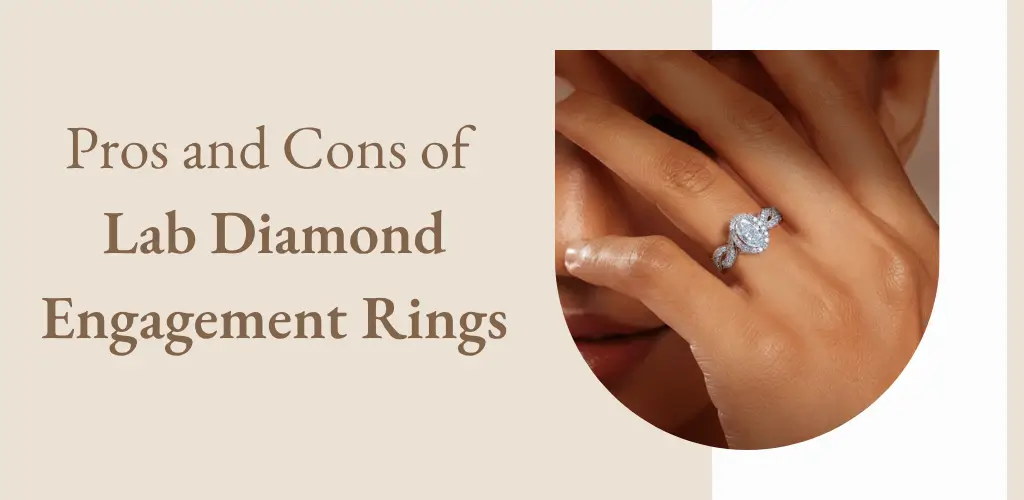
Answer: Absolutely. Lab grown diamond engagement rings are a popular choice because they offer exceptional value, larger sizes, and high quality while being ethical and sustainable.
Answer: Lab grown diamonds are considered a more eco-friendly and sustainable alternative to mined diamonds because they avoid large-scale mining and reduce environmental impact.
Answer: No, it is impossible to distinguish between them visually. Only specialised gemological equipment can identify whether a diamond is lab grown or natural.
Answer: Lab grown diamonds generally have lower resale value compared to natural diamonds. However, they offer better upfront value, allowing buyers to invest in larger or higher-quality diamonds at a lower cost.